Act of Oblivion, Robert Harris, UK, 2022
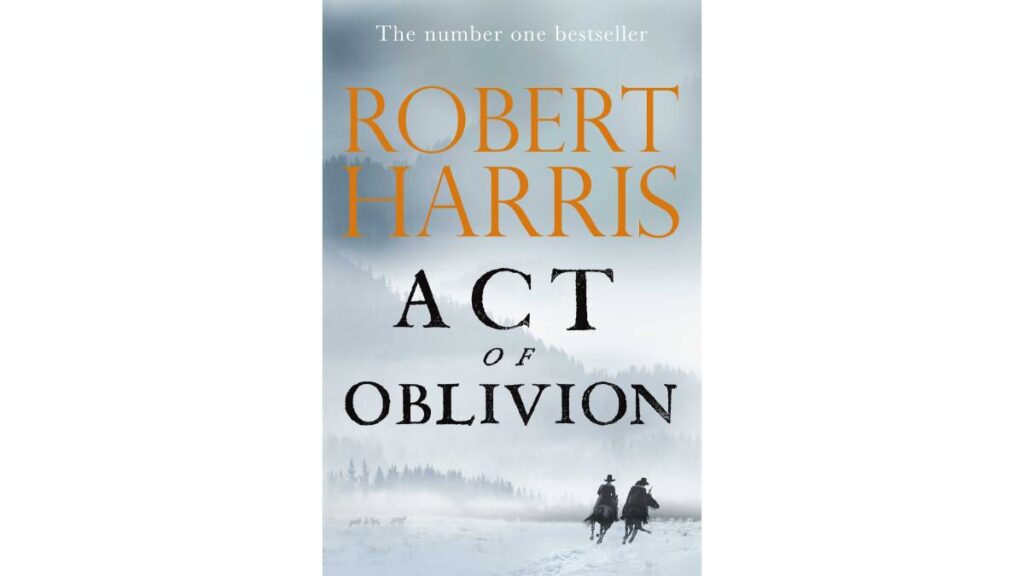
Act of Oblivion is a fictional account (anchored in history) of the events following the execution of Charles I in 1649 and of the re-establishment of the monarchy in 1660. The book is gripping right from the first page and gives not only what I assume is a fairly correct picture of the events of the time but also dives deeper into what might have been the emotional and psychological reaction of some of the main players.
Based on the aftermath of a decade of civil war between the Royalists and the Parliamentarians, Harris’s book begins with the execution of Charles 1. The majority of Parliamentarians had had no desire to abolish the monarchy. Their goal was to have the parliament recognised as part of the government, but an impasse developed when Charles, who saw himself as appointed by God, refused to make any kind of concession. When the Parliamentarians with Oliver Cromwell in the lead were victorious the king was tried and sentenced to death, 59 Commissioners having signed his death warrant, some willingly, others less so.
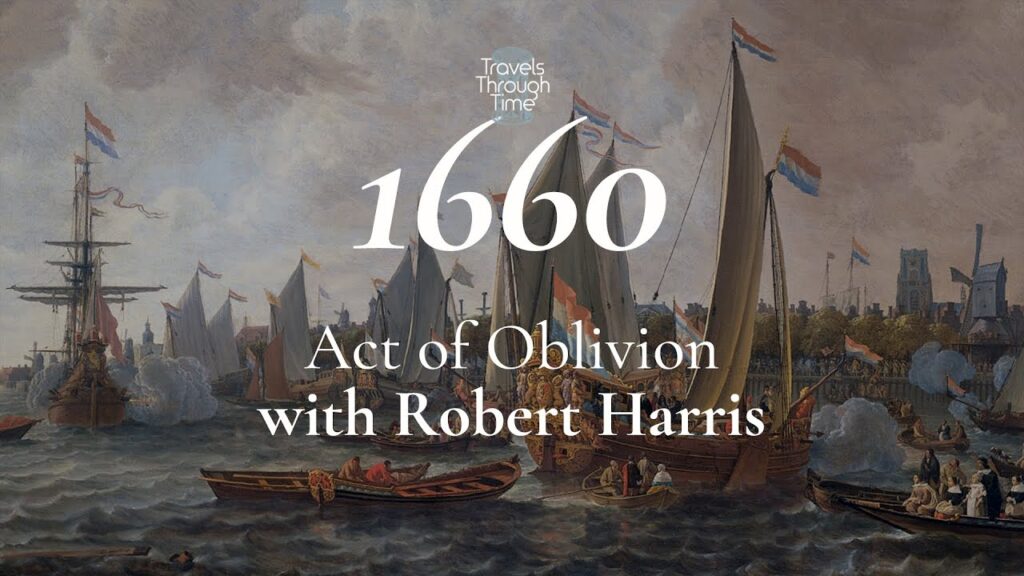
When the monarchy was restored in 1660 and Charles II, who had been in exile for many years, returned to England, Parliament passed the Act of Oblivion, which guaranteed a pardon for all crimes committed during the civil wars, excluding, however, murder, rape, witchcraft and, most importantly, the murder of Charles I. Consequently the 59 men who had signed the king’s death warrant were found guilty of high treason and were to be horribly executed.
Act of Oblivion follows two of these men, Colonel Edward Whalley and his son-in-law, Colonel William Goffe, as they flee from England to the east coast of America, leaving their families behind in England. Like Cromwell, both are Puritans, but while William (Will) is a religious fanatic Edward (Ned) has a more balanced view of life and religion. That said, both men feel that executing the king had been the right decision; now their only goal is to stay alive.

Into this mix is thrown Richard Nayler, a secretary of the Regicide Committee set up to hunt down the traitors. Nayler’s dislike of Whalley and Goffe is personal, and is actually no less obsessive than Goffe’s religious fanaticism. The harrowing flight of the two colonels as they move from hiding place to hiding place is balanced against Nayler’s overwhelming ambition to find them. The fate of the remaining regicides – both those in England and those who managed to flee the country – is dropped into the narrative at intervals, allowing some relief from the colonels’ unbelievable situation while fanning the suspense and disquiet elsewhere.
This is not a gentle book by any means; apprehension and tension are just two threads of the cord binding it together. The writing is particularly good, as is the structure of the story. The historical information is believable and the characters with their thoughts, emotions and unique ways of relating to situations are credible. This is not a book where good is on one side and bad on the other; both sides carried out atrocious acts often citing the will of God. Both sides did things that were obviously wrong but possibly – seen through the lens of who they were – for all the right reasons. Harris manages to walk this tightrope without leaning to much towards either one side or the other.
Beyond the actual story of the chase and its outcome, Harris’ book sheds a light on ordinary people living in the mid-seventeenth century – a time of war, uproar, superstition, religious fundamentalism and conflict, plague and even fire – a time, in many ways, not so different from our own.