Jude the Obscure, Thomas Hardy, UK, 1895
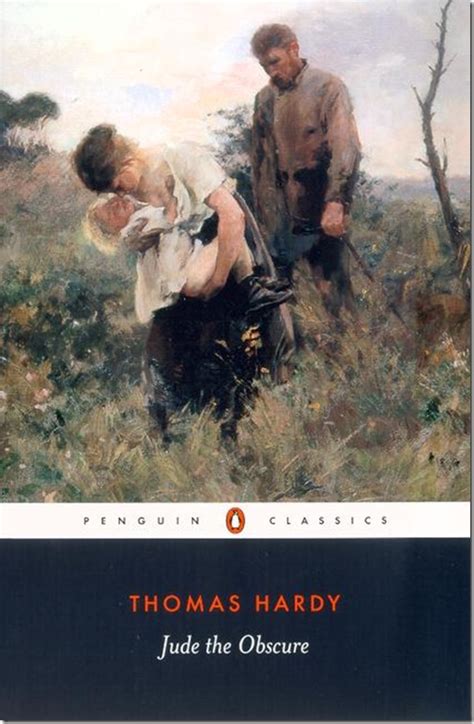
Written as a serial in 1894 and published in book form in 1895 this beautiful, sad, thought-provoking book is centred around sex, religion and marriage and the question as to what makes a union between two people authentic. Is it linked to some religious or legal licence, or is it some kind of deep understanding or agreement between the two people involved? Moreover, is liberation of the individual possible in a relationship? And, beyond an intimate relationship, is liberation something afforded to all via education?
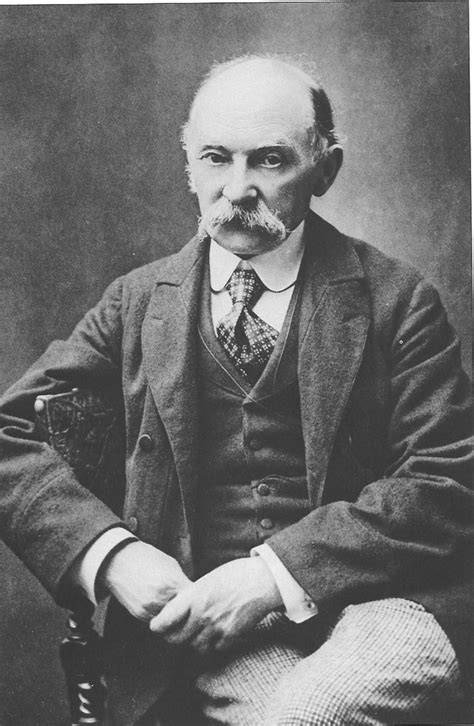
Set, like all Hardy’s novels, in the fictional county of Wessex in the south of England, the book blends fact with fiction, relying on Hardy’s own experience as an apprenticed architect and his father’s occupation as a stonemason. When, after many setbacks, Jude finally realises that education is the entitlement of the upper classes, Hardy (a crusader for the abolishment of social constraints and inequalities) is doubtlessly describing his own frustration and disappointment at the lack of opportunities for the lower-class. His observation of place, people and emotion is the bedrock of this book, and the writing is at times breathtaking.
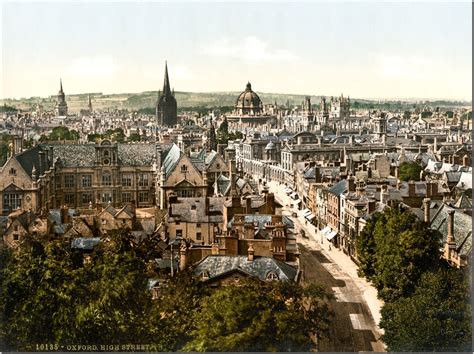
We first meet Jude Fawley as an eleven-year-old orphan living with his impoverished, unmarried great-aunt, Drusilla, in the village of Marygreen. Jude’s future does not look particularly bright, but the local school teacher, Mr Phillotson, takes a liking to the boy and encourages his love of education. When Mr Phillotson moves to Christminster (Oxford) to pursue further studies and hopefully enter the church, Jude continues studying Greek and Latin on his own. Like his former teacher he is spurred on by the prospect of some day taking holy orders, but needing to support himself in the interim he works first in his great-aunt’s bakery and is later apprenticed to a stonemason. Before he is able to embark on the path he has set for himself he is tricked into marriage by Arabella, the daughter of a pig farmer, who in all ways is his complete opposite. The relationship comes to an end when Arabella tires of the union and moves to Australia, allowing Jude to continue towards his original goal.
In Christminster Jude secures work as a stonemason while hoping to be accepted into one of the colleges. He soon meets his nonconformist, complicated cousin, Sue, and reunites with an unsuccessful Mr Phillotson, but shortly afterwards forces are put into play that will eventually upend the lives of all three.
Laws drawn up by church and society, regarding intimate relationships, consign many people to unhappy, unfulfilled lives, and though Sue Bridehead professes to being against religion and all forms of social restraint, her resolve evaporates when she is faced with an unexpected, devastating situation. Believing herself not only to be the cause of the devastation but also deserving of the pain it has caused, she retreats into a place of physical and emotional penance bolstered by newly acquired religious superstitions. She is a complicated character, somewhere on the cusp between a desperate need for personal liberation and an almost subconscious need to conform. Her treatment of Jude may sometimes appear cruel, but I do not feel that she is innately cruel; her actions reflect her own inner turmoil and conflict. Her unwillingness to submit to the expectations of society and religion can, at best, be perceived both as brave and liberated, but to her question, ‘If we are happy as we are, what does it matter to anybody?’ there did not seem to be any answer.
There is a mental tug-of-war both between what Jude (naïve, kind, accommodating) and Sue (self-absorbed, unaware) want and what society expects them to want. The amoral, unscrupulous Arabella – who re-enters the story when Jude is established in Christminster – is the spark, igniting the situations that ultimately lead to the novel’s bleak and possibly unavoidable conclusion. Jude the Obscure was the last novel Hardy wrote, the public response completely disillusioning him. Although his intention had been to shed light on injustices within society, particularly those connected to education and marriage, many readers were shocked by the combination sex and religion and felt that Hardy was attacking marriage.
A very dark, unsettling story that lingers in a depressing haze, but in spite of this it is definitely worth reading. The people are real people and they are contending with issues that may have changed somewhat over the past century, but which, in essence, are still worth considering even today.